





Systems Physiology: Exploring Human Anatomy Through Dissection
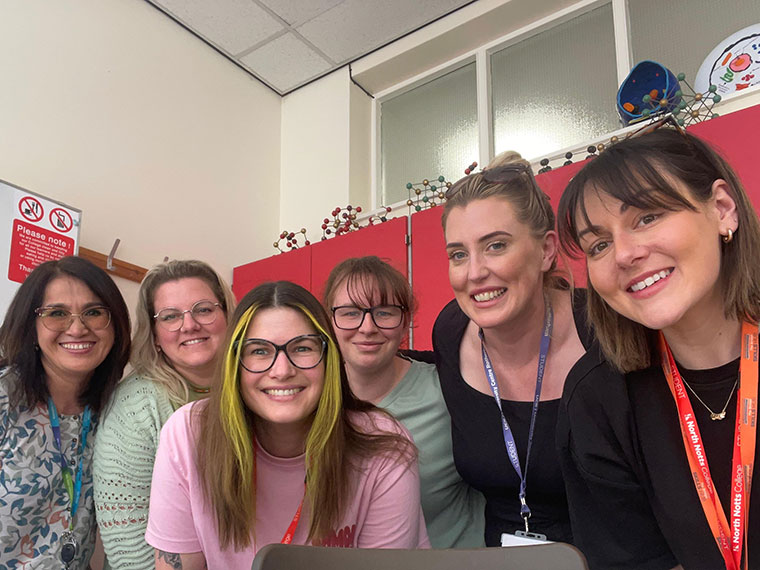
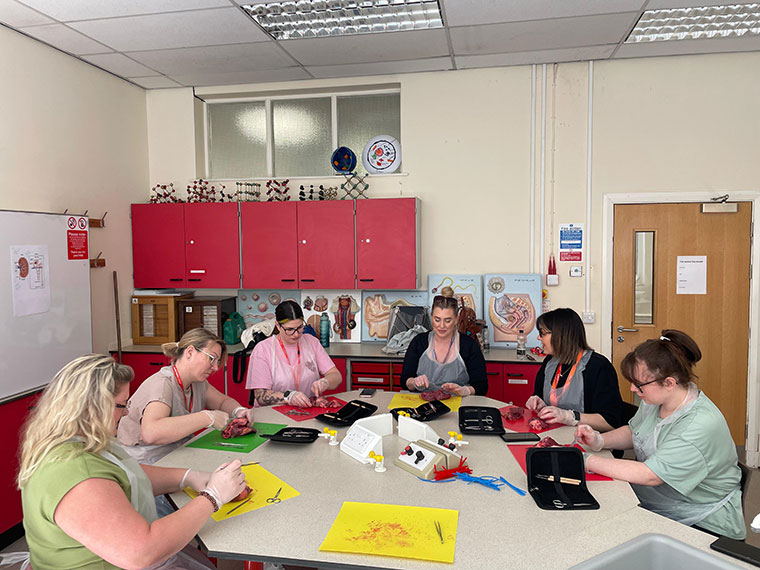
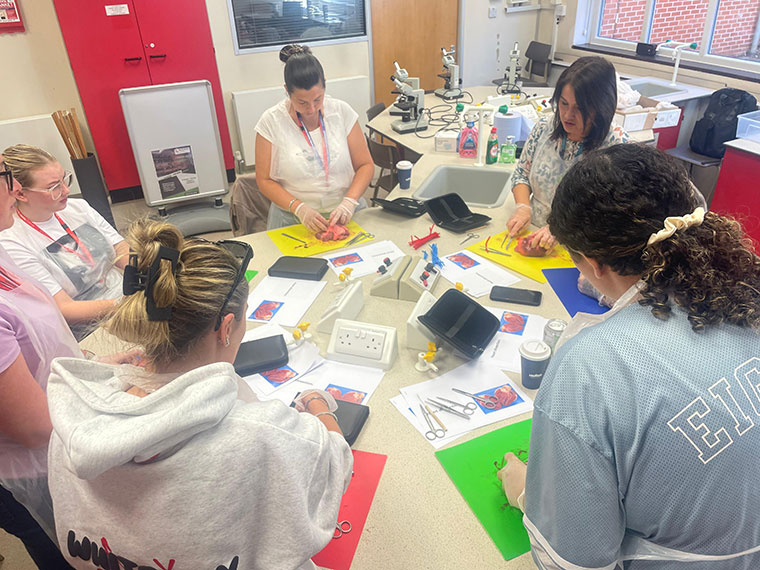
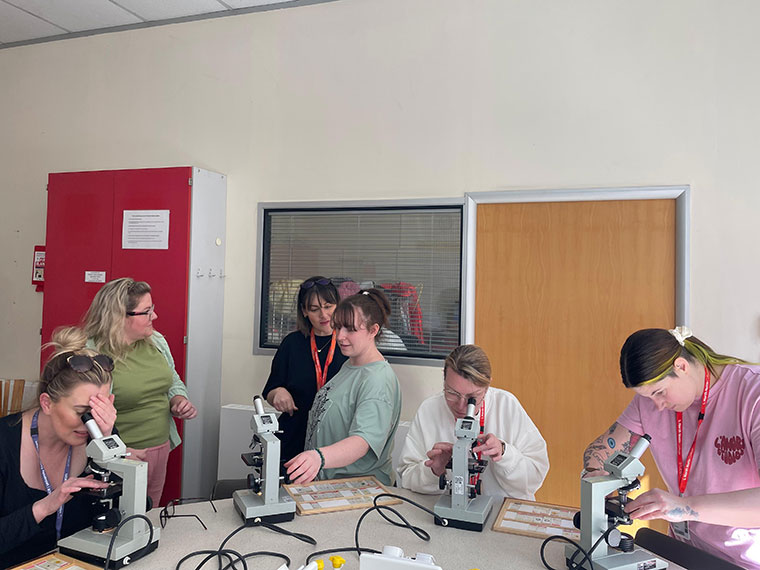
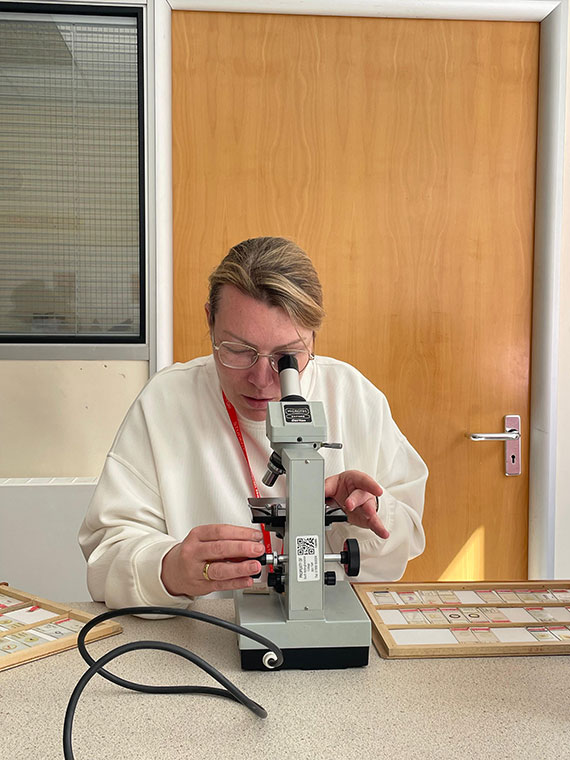
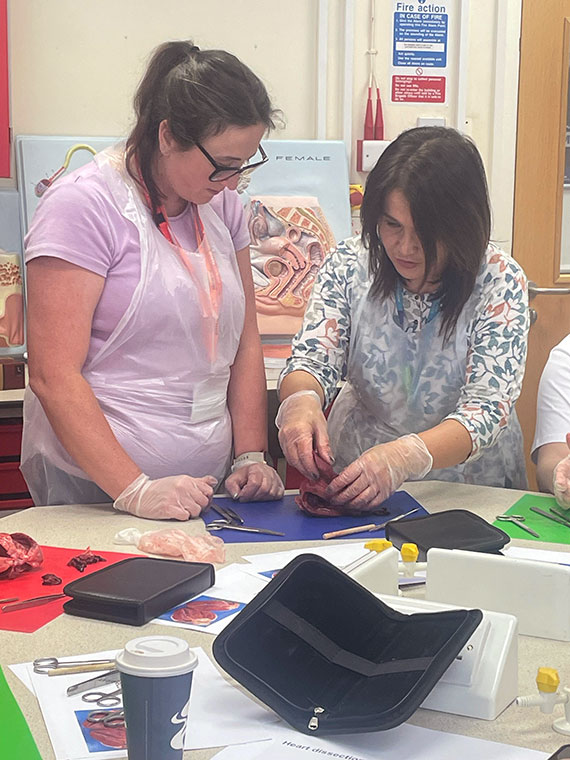
During their Systems Physiology unit, Level 3 Access to HE students in Healthcare recently completed a structured dissection exploring the cardiovascular, urinary, and digestive systems. Working in groups, they used microscopes to examine biological specimens and identify key anatomical structures.
Cardiovascular System
Starting with cardiac anatomy, the heart was examined in detail during the cardiovascular section. Chambers, major blood vessels, valves, and heart strings were identified, with attention given to how blood flow is regulated throughout the organ.
Specimens allowed comparison of oxygenated and deoxygenated circulation within the heart. Observation of the heart’s internal structure highlighted how specialised tissues and supporting features work together to maintain efficient circulation throughout the body.
Urinary System
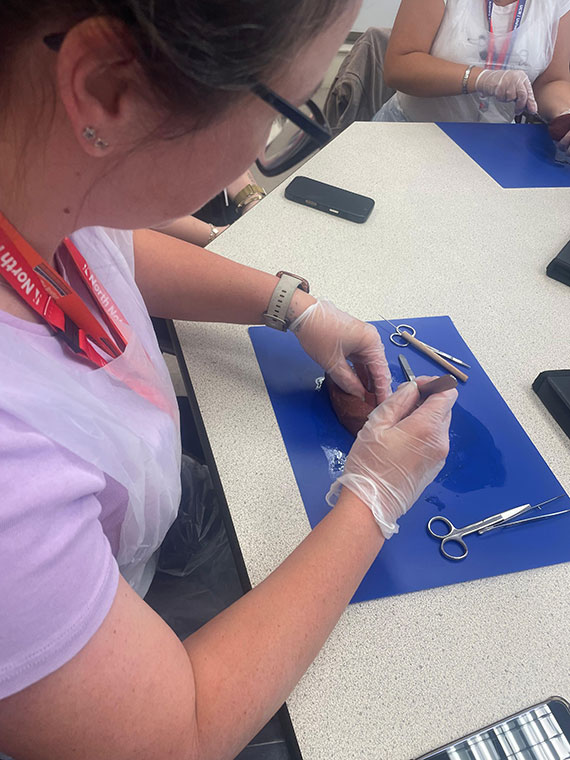
Focus then shifted to the human urinary system, where students carried out a kidney dissection to examine the organ’s internal structure. Key anatomical features were identified, including regions involved in filtration and waste removal.
Observation of the kidney highlighted how a relatively small organ contains a highly complex network of tissues and vessels responsible for maintaining fluid balance within the body. Linking structure to function helped reinforce understanding of the kidney’s role within wider physiological systems.
Digestive System
Attention then turned to the digestive system, where students carried out a liver dissection to examine the organ’s internal structure. Key anatomical features were identified, with attention given to how the liver supports digestion, metabolism, and nutrient processing within the body.
Observation of the liver highlighted how a highly specialised organ performs a wide range of essential physiological functions. Linking structure to function helped reinforce understanding of how nutrients absorbed through the digestive system are processed and distributed throughout the body.
Feeling Inspired?
Find out more about Health and Social Care courses at North Notts College